



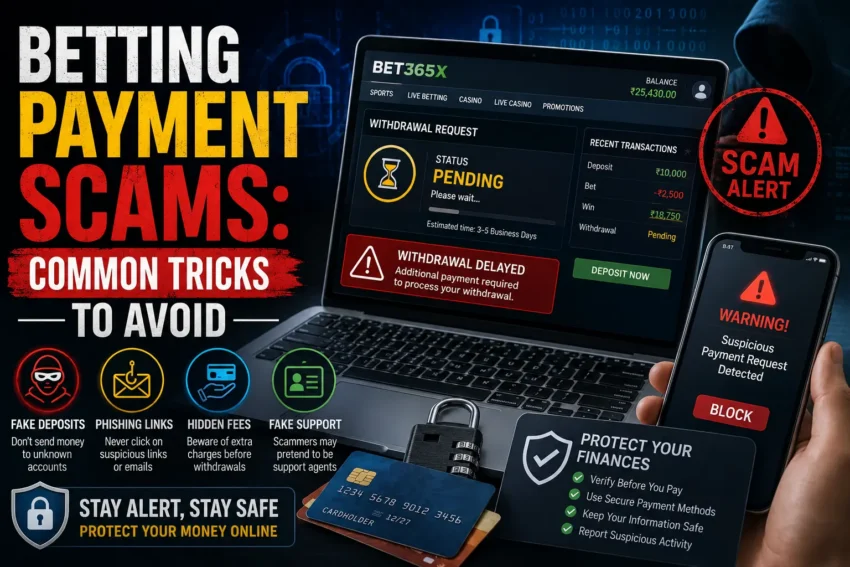
Online betting platforms have become increasingly popular, offering users convenient access to sports betting, casino games, and other gaming experiences. However, the growth of online betting has also attracted scammers who use deceptive payment tactics to target unsuspecting users.
Betting payment scams can lead to financial losses, account security issues, and identity theft. Understanding how these scams work is essential for anyone using online betting platforms.
This guide explains the most common betting payment scams, warning signs to watch for, and practical steps users can take to protect themselves.
What Are Betting Payment Scams?
Betting payment scams involve fraudulent tactics designed to trick users into sending money, sharing financial information, or making unauthorized transactions.
Scammers may operate through fake betting websites, fraudulent payment requests, phishing messages, or impersonation schemes.
The goal is usually the same: gain access to a user’s money or sensitive information.
Why Betting Payment Scams Are Increasing
Several factors contribute to the rise of betting payment scams:
- Increased popularity of online betting
- Growth of digital payment methods
- Fake websites that mimic legitimate platforms
- Lack of user awareness
- Sophisticated social engineering tactics
As scammers become more advanced, users must remain cautious when making deposits or withdrawals.
Common Betting Payment Scams
1. Fake Deposit Requests
Some fraudulent websites ask users to make additional deposits before allowing withdrawals.
Common excuses include:
- Account verification fees
- Tax payments
- Processing charges
- Security deposits
Legitimate platforms typically explain fees clearly and do not use unexpected payment demands as a condition for accessing funds.
2. Withdrawal Fee Scams
A common tactic involves informing users that they must pay a fee before a withdrawal can be processed.
Warning signs include:
- Urgent payment requests
- Unclear fee explanations
- Repeated requests for additional payments
Users should carefully review platform terms and verify any payment requests.
3. Fake Customer Support Scams
Scammers sometimes impersonate customer support representatives.
They may contact users through:
- Messaging apps
- Social media accounts
- Email communications
Their goal is often to obtain login credentials, banking details, or additional payments.
Always verify support channels before sharing information.
4. Phishing Payment Links
Phishing scams attempt to steal sensitive information through fake links.
Users may receive messages claiming to be from:
- Betting platforms
- Payment providers
- Verification teams
These messages often encourage users to click links and enter account details.
Always verify website URLs before logging in.
5. Bonus Deposit Scams
Large bonus offers can sometimes be used to attract deposits.
Warning signs include:
- Unrealistic bonus percentages
- Hidden conditions
- Pressure to deposit immediately
Users should read all promotional terms carefully.
6. Fake Payment Confirmation Screens
Some fraudulent websites display payment confirmations that appear legitimate.
These confirmations may:
- Show false balances
- Display fake withdrawal approvals
- Create a false sense of trust
Users should verify transactions directly through their payment provider whenever possible.
7. Identity Verification Abuse
Verification procedures are common in online betting.
However, excessive requests for personal documents may be concerning.
Users should be cautious if platforms repeatedly request:
- Government-issued identification
- Banking information
- Sensitive personal records
Personal information should only be shared through secure and legitimate channels.
8. Recovery Scams
Victims of betting scams may later receive offers from individuals claiming they can recover lost funds.
Common warning signs include:
- Guaranteed recovery promises
- Upfront payment requests
- High-pressure tactics
These schemes often target users who have already suffered losses.
Warning Signs of Betting Payment Scams
Users should pay attention to the following red flags:
| Warning Sign | Why It Matters |
|---|---|
| Unexpected payment requests | May indicate fraud |
| Unrealistic bonuses | Common scam tactic |
| Poor customer support | Difficult dispute resolution |
| Repeated verification demands | Potential delay tactic |
| Unclear withdrawal policies | Increased risk |
| Suspicious payment methods | Security concerns |
| Pressure to act quickly | Common social engineering technique |
How to Protect Yourself from Betting Payment Scams
Research Before Registering
Review platform information, user feedback, and security practices.
Use Secure Payment Methods
Choose payment options that offer transaction protections where available.
Verify Website Security
Look for secure connections and consistent platform information.
Avoid Sharing Sensitive Information
Only provide necessary information through verified channels.
Monitor Financial Transactions
Regularly review account activity and transaction records.
Keep Records
Save:
- Deposit receipts
- Withdrawal confirmations
- Support conversations
- Transaction screenshots
These records can be helpful if disputes arise.
What Should You Do If You Suspect a Scam?
If you believe you may have encountered a betting payment scam:
- Stop making additional payments.
- Save all evidence.
- Contact your payment provider.
- Monitor your accounts.
- Update passwords.
- Report suspicious activity where appropriate.
Acting quickly can help limit potential damage.
Frequently Asked Questions
What are betting payment scams?
Betting payment scams are fraudulent schemes designed to trick users into sending money or sharing sensitive information.
How can I identify a suspicious payment request?
Unexpected fees, urgent demands, and unclear explanations may indicate potential fraud.
Are all withdrawal fees a scam?
Not necessarily. Users should review platform policies and understand any fees before making transactions.
Can betting payment scams affect personal information?
Some scams may attempt to collect personal or financial information, making account security extremely important.
Related Articles –
Sports Betting Terms Every Beginner Should Know
How to Recognize a Fake Betting Site Before You Deposit